Living with tinnitus can be frustrating, exhausting and even isolating, but you’re not alone. At Kampsen Hearing, we understand how this constant ringing or buzzing can impact your sleep, focus and emotional well-being. Our team, including Dr. Scott Sims, who is certified in tinnitus management, can provide the highest-caliber personalized care. Our goal is to help you find relief and regain control of your life.
What Is Tinnitus?
Tinnitus is the perception of sound when no external noise is present. Most commonly, it’s described as a ringing in the ears, but it can also sound like buzzing, hissing, clicking or even roaring. For some people, it’s a mild background noise they barely notice; for others, it can be more persistent and disruptive, especially in quiet environments or during sleep.
Tinnitus isn’t a disease itself, but rather a symptom of an underlying issue, such as hearing loss, ear injury or circulatory problems. It can also be triggered by stress, certain medications or exposure to loud sounds. While it can be frustrating, the good news is that there are many ways to manage tinnitus and reduce its impact on your daily life.
Unfortunately, in many cases, doctors cannot find the exact cause of tinnitus. However, you can often manage symptoms successfully through several different strategies
Acoustic Therapy
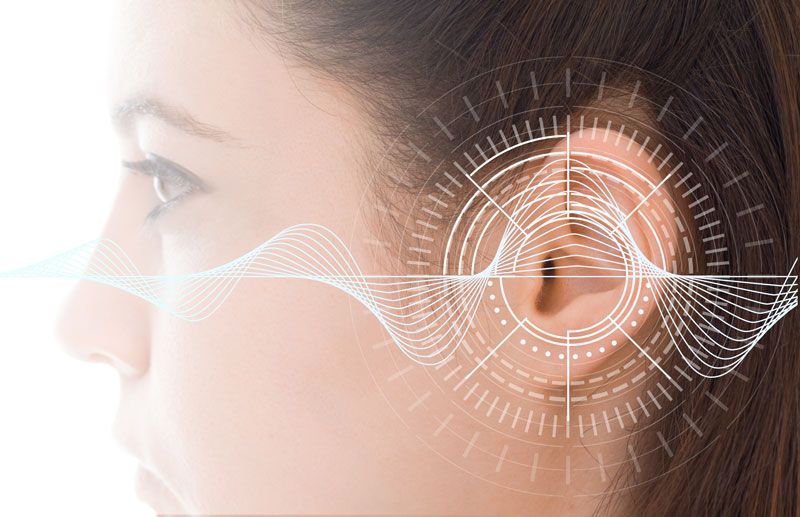
Acoustic therapy is the use of sound with the intent to alter the tinnitus perception and reactions for clinical benefit. Often, sounds are used to cover up, or mask, tinnitus. Electronic devices that produce white noise, air conditioners, fans and soft music can all be employed.
You can employ a range of sound therapy options, including audio files, sleep noise generators, tinnitus-specific earbuds and more. These acoustic therapy methods help to habituate a tinnitus sufferer to their symptoms by reducing the contrast between the tonal sounds they hear and their environment. This allows the brain to blend and mask tinnitus sounds with natural and therapy added environmental noises.
Tinnitus Retraining Therapy
This is another approach to acoustic therapy; tinnitus retraining therapy utilizes a portable sound generator that produces soft patterned tones to help desensitize the brain to the sounds of tinnitus.
One of the latest iterations of tinnitus retraining therapy is called acoustic neuromodulation. Using a combination of computer software, self-reporting and ongoing hearing tests, a specialist can create a custom tone profile designed to treat your specific tinnitus tones. The profile can be adjusted as needed over time.
Hearing Aids
A standard treatment option utilizes hearing aids, as nearly 90% of those with tinnitus also experience hearing loss. Hearing aids are used to amplify background sounds, which can mask tinnitus. These devices can also help you distinguish one sound from another, improving communication and helping with focus and concentration difficulties. Many hearing aids come packaged with noise generators to replace ambient sounds if amplification alone does not reduce tinnitus.
Counseling
Counseling and cognitive behavioral therapy (CBT) can be practical in helping you manage your tinnitus symptoms by reducing the stress, anxiety and sleeplessness that are often associated with tinnitus.
Behavioral therapy can be effective and provide a range of coping skills to help you manage tinnitus symptoms and the associated stress and depression that often accompany the condition.
Daily Habits That Can Help
Managing tinnitus often involves more than just clinical treatment—it’s about making small, meaningful changes in your daily routine that support your overall well-being. Simple habits can make a noticeable difference. Try these simple tips at home.
- Stress reduction: Yoga, meditation, breathing exercises.
- Sleep hygiene: White noise machines, calming bedtime routines.
- Dietary adjustments: Reducing caffeine, alcohol and salt (especially for Meniere’s-related tinnitus).
- Social connection: Encouraging patients to stay engaged with friends and hobbies to reduce isolation.
To read more, visit our blog post, “Can Lifestyle Changes Help Relieve Tinnitus?”.
Tinnitus Relief “Toolkit”
Living with tinnitus can be overwhelming, but you don’t have to navigate it alone. At Kampsen Hearing, we’ve created a Tinnitus Relief Toolkit to help you take small, meaningful steps toward managing your symptoms and improving your quality of life. This free resource includes practical tools like breathing exercises to calm your nervous system, sound masking app recommendations to help you rest and focus, a symptom tracker to identify patterns and tips for talking to loved ones about your experience. It’s designed to support you in your daily routine and empower you with strategies that make a real difference. This toolkit includes things like:
- Breathing exercises
- Sound masking app recommendations
- A symptom tracker
- Tips for talking to loved ones about tinnitus
Download your free Tinnitus Relief Toolkit today and take the first step toward feeling more in control of your symptoms.
Call Kampsen Hearing at (813) 876-8374 for more information or to schedule an appointment.